Building your first campervan electrical system can feel overwhelming — Victron has hundreds of products across dozens of categories. This guide cuts through the noise and recommends the best Victron products for a beginner campervan build, broken down by budget tier so you can find the right balance of capability and cost.
What Every Campervan Electrical System Needs
At minimum, a campervan electrical system has four core components:
- Battery — stores energy for when you're not driving or in sunlight
- Solar charge controller (MPPT) — regulates power from solar panels to the battery
- Inverter — converts 12V DC battery power to 230V AC for mains appliances
- Battery monitor — tells you how much energy you have left
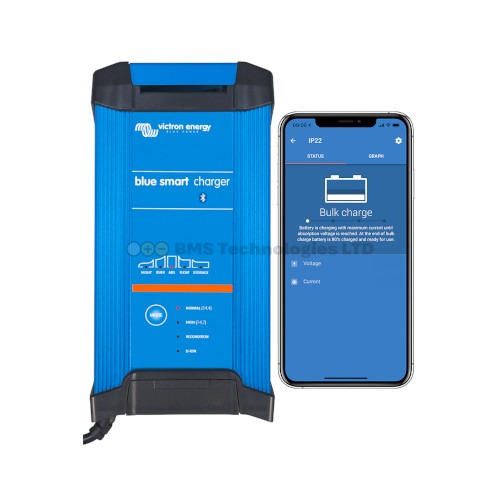
Optional but highly recommended additions include a DC-DC charger (charges the leisure battery from the alternator while driving) and a mains charger (charges from shore power on campsites).
Budget Tier: Under £500
A solid starter system for weekend warriors and occasional campers.
Recommended Products
| Component | Product | Approx. Price |
|---|---|---|
| Battery | Victron AGM Super Cycle 100Ah | £180–£220 |
| Solar controller | Victron SmartSolar MPPT 75/15 | £65–£85 |
| Solar panel | Any 100–175W monocrystalline panel | £80–£120 |
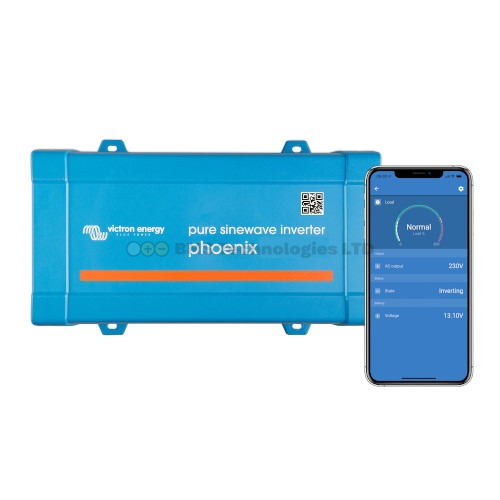
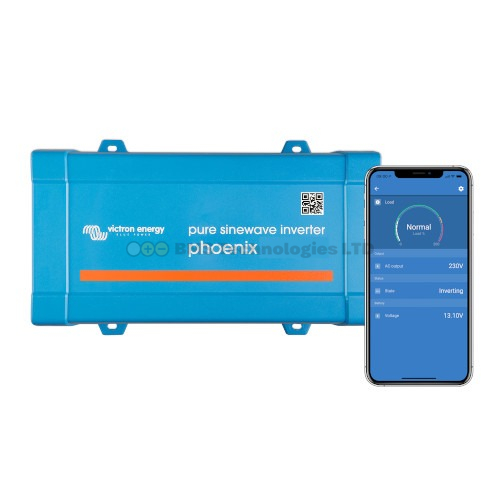
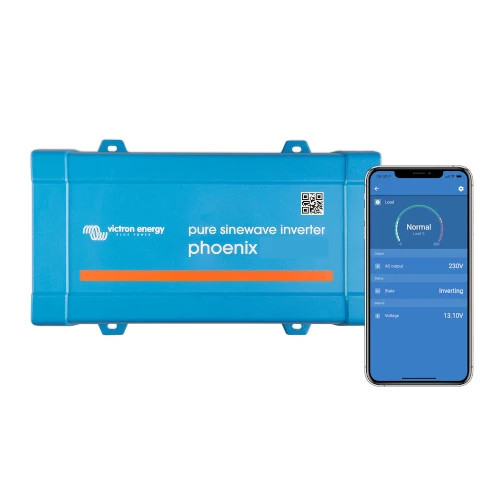
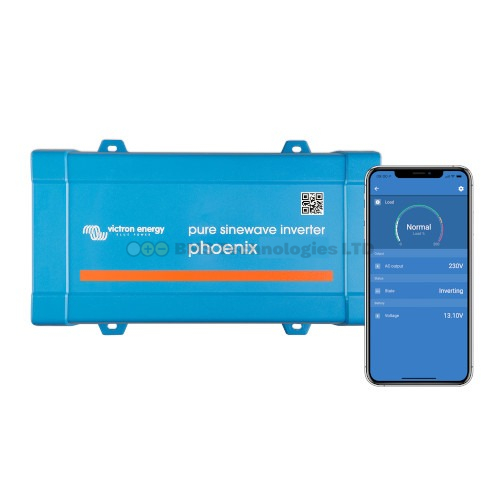
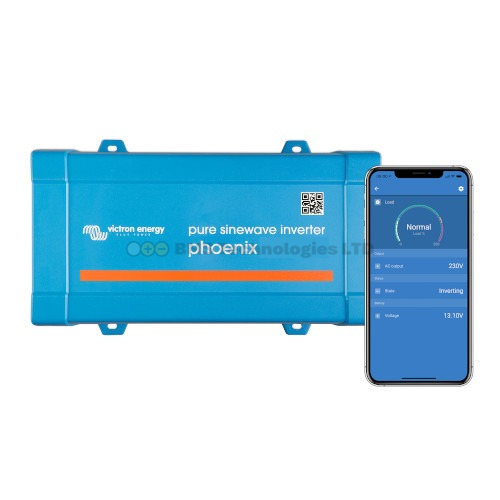
| Inverter | Victron Phoenix 12/500 | £110–£140 |
| Battery monitor | Victron SmartShunt 500A | £55–£70 |
Total: approximately £490–£635
This system gives you 50Ah of usable capacity (AGM shouldn't be discharged below 50%), enough to run lights, charge phones, power a small fridge, and occasionally use a low-power AC appliance. The SmartSolar 75/15 handles up to 200W of solar and includes Bluetooth for monitoring via VictronConnect.
Limitations
- AGM battery limits usable capacity to 50%
- No alternator charging — battery only charges from solar
- 500VA inverter limits you to low-power AC appliances (laptop chargers, small electronics)
- No shore power charging capability
Mid-Range Tier: £1,000–£1,500
The sweet spot for most campervan builds. Covers all the bases with room for comfortable off-grid living.
Recommended Products
| Component | Product | Approx. Price |
|---|---|---|
| Battery | Victron Lithium Smart 12.8V 100Ah | £750–£900 |
| Solar controller | Victron SmartSolar MPPT 100/30 | £130–£160 |
| Solar panel | 2x 175W monocrystalline panels | £160–£220 |
| Inverter | Victron Phoenix 12/800 | £140–£170 |
| Battery monitor | Victron SmartShunt 500A | £55–£70 |
| DC-DC charger | Victron Orion-Tr Smart 12/12-30 | £130–£160 |
Total: approximately £1,365–£1,680
The lithium battery is the key upgrade — you get 80–90Ah of usable capacity from a 100Ah battery (versus 50Ah from AGM), it weighs less than half as much, charges faster, and lasts 5–10x longer. The Orion-Tr Smart DC-DC charger adds alternator charging, so your battery charges while driving. The MPPT 100/30 handles up to 440W of solar at 12V.
Premium Tier: £2,000–£3,000
For serious full-time vanlifers or those who want to run high-power appliances like coffee machines, hair dryers, or induction hobs.
Recommended Products
| Component | Product | Approx. Price |
|---|---|---|
| Battery | Victron Lithium Smart 12.8V 200Ah | £1,300–£1,600 |
| Inverter/charger | Victron MultiPlus 12/2000/80 | £550–£700 |
| Solar controller | Victron SmartSolar MPPT 150/35 | £180–£220 |
| Solar panels | 2x 200W monocrystalline panels | £200–£280 |
| Battery monitor | Victron SmartShunt 500A | £55–£70 |
| DC-DC charger | Victron Orion-Tr Smart 12/12-30 | £130–£160 |
| GX device | Victron Cerbo GX | £200–£260 |
Total: approximately £2,615–£3,290
The MultiPlus replaces both the inverter and mains charger — when you plug into shore power, it charges the battery and passes AC through to your sockets. Unplug, and it seamlessly switches to inverter mode. The 2000VA rating handles most kitchen appliances. The Cerbo GX ties everything together with system monitoring, DVCC, and VRM remote access.
Common Beginner Mistakes
- Undersizing the battery: A 50Ah AGM only gives you 25Ah usable. If your daily consumption exceeds that, you'll run flat every day. Be honest about your power needs — see our daily power usage calculator
- Forgetting alternator charging: Solar alone may not keep up in UK winters. A DC-DC charger adds reliable charging whenever you drive
- Buying too small an inverter: A 300VA inverter won't run a hairdryer. Check the wattage of every AC appliance you want to use
- Skipping the battery monitor: Without a SmartShunt, you're guessing how much battery you have left. It's only £55–£70 and prevents deep discharge damage
- Wrong cables and fuses: Undersized cables and missing fuses are a fire risk. Follow our cable and fuse sizing guide
Upgrade Path
One of the advantages of Victron is that you can start small and upgrade later:
- Start with the budget tier (AGM + MPPT + small inverter)
- Add a DC-DC charger when you find solar alone isn't enough
- Upgrade to lithium when the AGM batteries wear out (1–2 years with daily cycling)
- Upgrade the inverter to a MultiPlus when you want shore power integration
- Add a Cerbo GX when your system is complex enough to benefit from central monitoring
Each component upgrade slot directly into the existing system — Victron products are designed to work together across their entire range.
Summary
For a beginner campervan build, start with a SmartSolar MPPT, a battery you can afford (AGM for budget, lithium for mid-range and above), a SmartShunt for monitoring, and an appropriately sized inverter. Add a DC-DC charger if your budget allows — it's the single most impactful upgrade for UK vanlife where winter solar is limited. Use our price comparison tool to find the best current prices from UK Victron retailers.