Not every campervan build needs a top-of-the-line electrical system. If you're a weekend warrior, occasional holiday user, or simply watching the pennies, you can build a capable Victron-based system for significantly less than a full-spec setup. This guide covers the smartest places to save money — and the components you should never cheap out on.
The Budget System at a Glance
| Component | Budget Pick | Est. Price |
|---|---|---|
| Solar Panel | 1 x 200W rigid monocrystalline | £100 – £180 |
| MPPT Controller | Victron SmartSolar 75/15 or 100/20 | £75 – £120 |
| Battery | 100Ah LiFePO4 (or 2 x 110Ah AGM) | £300 – £600 |
| DC-DC Charger | Victron Orion-Tr Smart 12/12-30 | £120 – £170 |
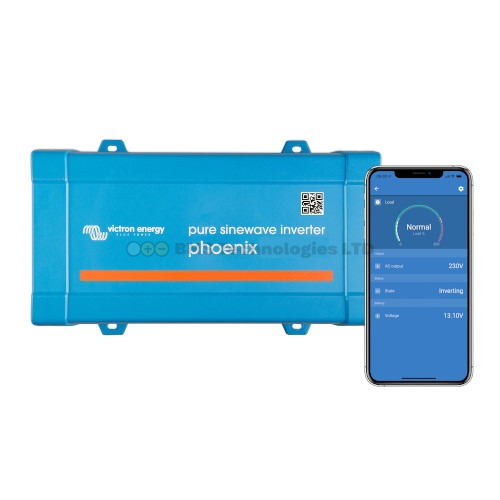
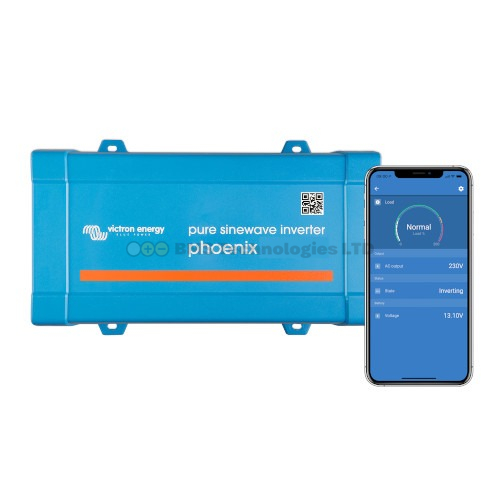
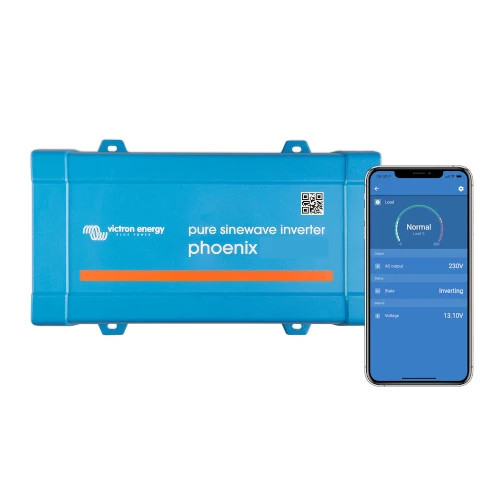
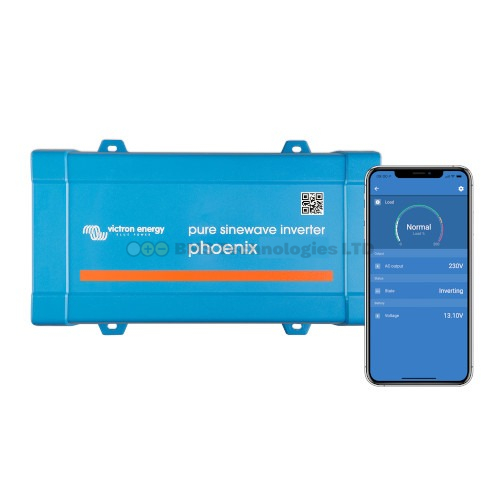
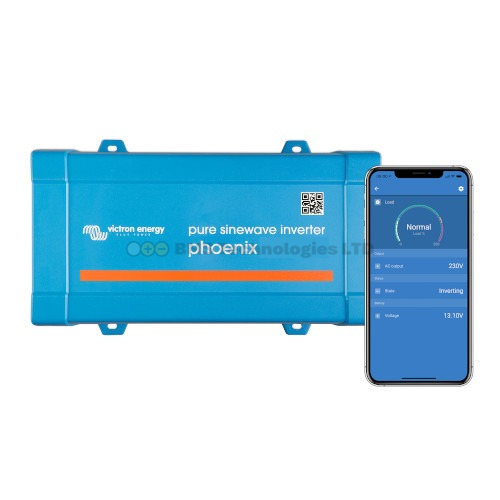
| Inverter | Victron Phoenix 12/1200 | £200 – £300 |
| Battery Monitor | Victron SmartShunt 500A | £55 – £80 |
| Fusing, cabling, misc | Fuse box, busbars, cable | £100 – £200 |
Total budget estimate: £950 – £1,650
That's roughly half the price of the mid-range reference system, while still delivering a reliable and functional electrical setup.
Where to Save Money
Save 1: One Solar Panel Instead of Two
A single 200W panel produces ample power for weekend and holiday use in the UK summer months. You'll generate 300–600Wh per day in good conditions (25–50Ah at 12V), which covers lighting, phone charging, a compressor fridge, and a water pump without difficulty.
The trade-off is winter capability. A single 200W panel in December might only produce 60–160Wh (5–13Ah), which won't sustain heavy use. If you primarily use your van from April to October, one panel is perfectly adequate.
Save 2: Smaller MPPT Controller
With a single 200W panel, you don't need a large MPPT controller. The Victron SmartSolar 75/15 handles up to 200W on a 12V system comfortably. If you think you might add a second panel later, go for the SmartSolar 100/20 — it costs only a little more and gives you room to expand to 400W later without replacing the controller.
Both are Smart models with Bluetooth and the VictronConnect app, so you lose nothing in terms of monitoring and control.
Save 3: Phoenix Inverter Instead of MultiPlus
This is the single biggest saving. A Victron Phoenix 12/1200 inverter costs roughly £200–£300, while a MultiPlus 12/1600/70 costs £550–£750. That's a saving of £250–£450.
What you lose with a standalone inverter:
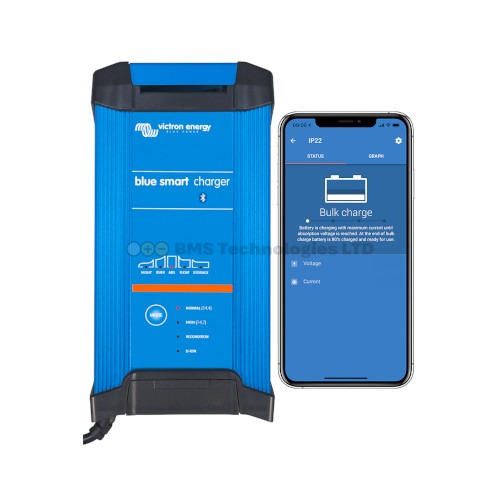
- No built-in charger: You'll need a separate mains charger for shore power hookup. A basic Blue Smart IP22 12/15 adds £80–£110, but you may not need one if you mainly go off-grid.
- No automatic transfer switch: When on hookup, you manually select between shore and inverter power. The van won't seamlessly switch.
- No PowerAssist: You can't supplement weak hookups with battery power.
For many budget builds, especially weekend-use vans, these trade-offs are perfectly acceptable. The Phoenix 12/1200 provides 1,200VA of pure sine wave power — enough for a coffee machine, laptop, phone chargers, and most small appliances.
Save 4: Skip the Cerbo GX
The Cerbo GX and GX Touch combination costs £300–£450. It's a brilliant bit of kit, but on a budget build, you can manage perfectly well without it. Each Smart Victron device connects directly to VictronConnect via Bluetooth, so you can still monitor your MPPT, SmartShunt, and Orion-Tr individually from your phone.
You lose centralised monitoring, remote VRM access, and the slick touchscreen display. But functionally, your system works identically. If your budget expands later, the Cerbo GX can be added retrospectively with only data cables to connect.
Where NOT to Compromise
Don't Skip: Battery Monitor (SmartShunt)
At £55–£80, the Victron SmartShunt is one of the cheapest components in the system and arguably the most important. Without it, you have no accurate way of knowing your battery state of charge. Guessing leads to over-discharging (which damages lead-acid batteries) or unnecessary anxiety about power levels.
The SmartShunt measures coulombs (amp-hours in and out) and provides an accurate SOC percentage via Bluetooth. It's the one component every system should include regardless of budget.
Don't Skip: Proper DC-DC Charger
If your vehicle has a Euro 6 engine (2015 onwards for diesel, 2014 for petrol), it almost certainly has a smart alternator. A traditional split-charge relay will not properly charge lithium batteries — and may not charge them at all with a smart alternator. The Victron Orion-Tr Smart provides a correct lithium charge profile and manages the alternator load properly.
Even if your van has an older alternator, the Orion-Tr Smart is worth the investment for the regulated charge profile it provides to lithium batteries.
Don't Skip: Quality Cabling and Fusing
This isn't glamorous, but properly rated cables, fuses, and connections are non-negotiable. A loose connection or undersized cable on a high-current 12V circuit is a fire hazard. Budget £100–£200 for quality cable, a proper fuse box, ANL/MEGA fuses for main battery connections, and a busbar for distribution.
Battery Choice: Lithium vs AGM on a Budget
The battery is the biggest variable in a budget build:
| Option | Capacity (Usable) | Weight | Est. Price | Lifespan |
|---|---|---|---|---|
| 100Ah LiFePO4 | 80–100Ah | ~12kg | £300 – £600 | 3,000+ cycles |
| 200Ah AGM (2 x 110Ah) | ~100Ah (50% DOD) | ~60kg | £200 – £350 | 300–500 cycles |
If your budget is genuinely tight, a pair of quality AGM batteries is a valid option. You get similar usable capacity for less money upfront. However, they're heavier, take longer to charge, and will need replacing much sooner.
Our recommendation: if you can stretch to a 100Ah lithium battery, do it. The weight saving alone (almost 50kg lighter) is significant in a campervan, and the superior cycle life means you'll save money over the long term. Only go AGM if lithium is truly beyond your budget.
Upgrade Path
The beauty of Victron components is that they work together seamlessly, so you can build the budget system now and upgrade incrementally:
- Add a second solar panel: If you started with the SmartSolar 100/20, just wire in another 200W panel. No controller replacement needed.
- Add a Cerbo GX: Connect VE.Direct cables from your MPPT and SmartShunt, add a GX Touch screen, and you have full system monitoring.
- Upgrade inverter to MultiPlus: Swap the Phoenix for a MultiPlus when budget allows, gaining built-in charging and transfer switching.
- Add a second battery: Double your capacity by wiring a second 100Ah lithium in parallel.
Start with the essentials, enjoy your van, and upgrade as you discover what your system needs. Use our price comparison tool to track prices and grab deals as they arise — Victron products regularly vary by 10–20% between UK retailers.